MAX CHOCOLATE MAGAZINE

Shortstops on chocolate
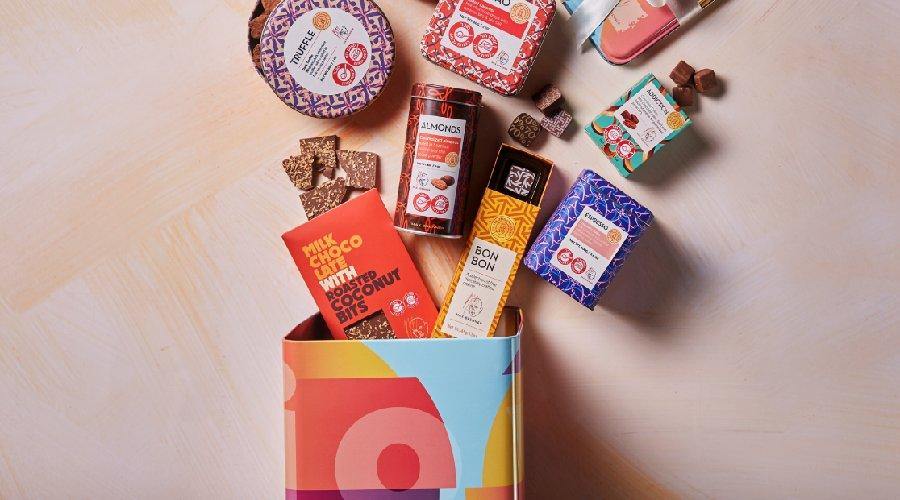
Here are some fun facts about the wonderful world of chocolate that you can read while enjoying the box of sweets you received in the mail: In addition to dark, milk, and white chocolate, ruby chocolate—a pink-colored chocolate—was invented in 2017 Chocolate was discovered in South America, where the Aztecs used to grind cocoa beans and prepare a bitter drink spiced with chili that they called “chocolate” Some argue that white chocolate is not actually chocolate because it contains cocoa butter rather than cocoa solids or cocoa mass, so it does not technically fall under the official definition of chocolate Milk chocolate contains 100 mg more calcium than dark chocolate. Findings from the Mexico region indicate that cocoa was used as a food staple as early as 1250 BCE. Although they originated in Central America, today most of the world’s cocoa beans are grown in Africa. The first chocolate chip cookie was created by accident—in the 1930s, Ruth Wakefield, owner of a bed-and-breakfast in Massachusetts, added broken chocolate pieces to her cookie dough, thinking they would melt during baking. In doing so, she effectively invented the chocolate chip cookie The Olmecs of Mexico were the first civilization to use cocoa beans in 1500 BCE The scientific name for the cacao tree literally translates to “food of the gods.” About 20% of all chocolate consumed in the U.S. is dark chocolate. A single cacao tree can produce enough cacao beans for just 8 milk chocolate bars. February 7 is International Chocolate Day. Chocolate counteracts the negative effects of sleep deprivation Dark chocolate can help you fall asleep faster Cacao is considered the drink of the nobility—the Aztec civilization even adopted the use of cacao beans as currency from the Maya Studies show that women love chocolate more than men About 40% of the world’s almond production is used for making chocolate Chocolate can help relieve a cough Milk chocolate was considered a medicine in Ireland at one time One British chocolate scientist insured her taste buds for £1 million Napoleon, the legendary ruler of France, was an avid chocolate lover. He demanded that wine and chocolate be available to him and his staff of advisors at all times—even during battles!
Learn more
A winning couple – different combinations for chocolate
To help you avoid second-guessing yourself, trying out odd combinations, and wasting time, we’ve put together a list of the most recommended pairings that go hand in hand with different types of chocolate—so if you’re surprised with a luxurious chocolate delivery, you’ll know how to maximize your enjoyment! Let’s start with the winning combination of chocolate and nuts—which go great with both milk chocolate and dark chocolate. The most popular types of nuts that pair amazingly with these chocolates are macadamia nuts, almonds, hazelnuts, and pecans—whether mixed into the chocolate itself or served on the side. The second (and obvious) combination worth noting before we move on is one that most people absolutely love—chocolate and coffee. Coffee also pairs perfectly with all types of chocolate, whether as a beverage served with chocolate on the side or in various coffee-flavored chocolates. When it comes to dark chocolate—a particularly beloved variety (and one found in every assortment)—you’ll be surprised to discover that it’s considered especially well-suited to a wide range of fruit flavors, particularly raspberries, blueberries, strawberries, bananas, cherries, and passion fruit. Let’s move on to the winning fruit pairing that goes well with all types of chocolate—oranges! If you’re a fan of this orange fruit, you’ll find that it pairs wonderfully with dark, milk, or white chocolate. So if you’ve never tried it, now is the time to taste chocolate paired with orange, or orange-flavored chocolate—you’ll be surprised to discover that these two flavors blend beautifully and create a true feast for the palate. Another particularly delicious combination that deserves its due is milk chocolate and caramel—we can find these two together in various popular chocolate bars as well as in dessert recipes, and while we’re on the subject of caramel, let’s not forget chocolate with salted caramel, which offers a unique and indulgent combination of sweet and salty flavors. In short, choose carefully what you eat and drink alongside your chocolate—it can make a big difference!
Learn more
Also are sweets a kind of comfort? How chocolate makes us happier
Whether we’ve gone through a difficult breakup, failed an important test, or been fired from our job—we all know that chocolate in all its forms is the cure for a broken heart—it’s always been there for us to comfort us, cheer us up, and mend our broken hearts. But is there scientific evidence that chocolate is indeed a miracle cure that magically takes away our pain and makes us feel better? Well, yes! You might be surprised to hear that several studies suggest that eating chocolate—especially dark chocolate—may be linked to a lower risk of depression. In fact, a study of over 13,000 people found that those who ate dark chocolate within a 24-hour period were 70% (!) less likely to experience symptoms of depression than those who didn’t eat any chocolate at all. How does this happen? Chocolate stimulates the production of endorphins, which are known to help relieve pain and produce feelings of pleasure. Beyond that, certain components in chocolate improve mood, and others even alter brain patterns. These components (and now for a little biology lesson) are likely tryptophan—an amino acid found in chocolate that helps the brain produce serotonin—the “happy hormone” that makes us feel happy and content. Phenylalanine—an essential amino acid with antidepressant effects that produces the same feelings one might experience when falling in love, such as an increased heart rate, alertness, and motivation—and theobromine and caffeine, which can give us an energy boost and stimulate the brain (feel ready for a test?). Further research suggests that the fact that chocolate is delicious is what makes it a better coping mechanism than other substances. In other words, it’s widely accepted in our society that eating chocolate will make us feel better, and it’s this very belief that may trigger those happy feelings in our brains when we eat chocolate. So—if we eat chocolate, we’re bound to feel better because that’s what everyone has told us is supposed to happen. In short, while chocolate does contain certain components that make us feel uplifted, we mustn’t overlook the very idea of the chocolate-eating experience itself as a coping mechanism and a cure-all for a bad mood. So whether it’s a scientifically proven effect or a psychological one —if eating chocolate puts us in a better mood and makes us less likely to feel depressed, maybe we should stock up on chocolate for a rainy day, or cheer up our loved ones with chocolate deliveries—because when something works, does it really matter why it works?
Learn more
It's time to shatter some myths about chocolate
Since our world is full of myths about chocolate, we decided to pick up the gauntlet and dispel some of the most well-known myths that probably all of us believed in at some point in life – it's time to reveal the truth so that we can enjoy our chocolate without qualms!
Learn more
Sweet Love: The Relationship Between Chocolate and Love
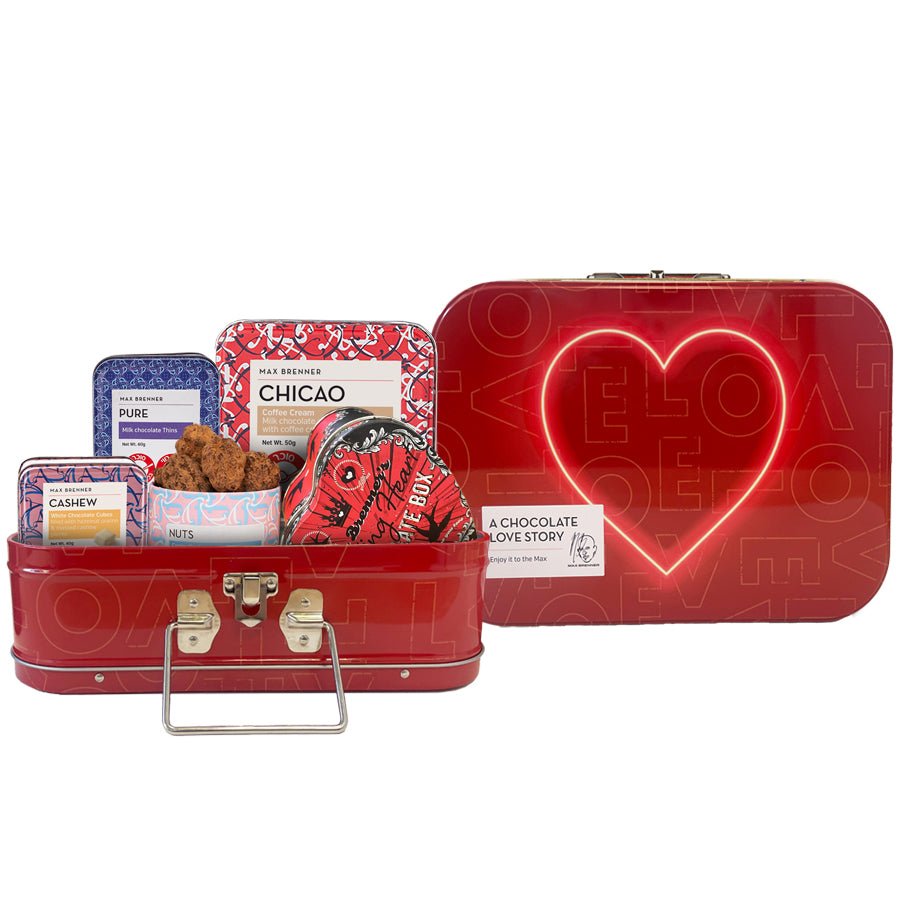
There are some things we just know go well together: hot chocolate with a roll, coffee with cake, bread with butter—and if someone asked you what goes with chocolate? Well, most of you would probably answer “love”—in fact, chocolate and hearts are practically synonymous! But is there a proven connection between this familiar and beloved pairing—the one we use to send our loved ones chocolate gestures or stock up on chocolate boxes as a romantic gesture? The Wonders of Cacao “Food of the Gods,” “Fruit of Love,” “A Better Substitute for Sex,” “The Eighth Wonder,” and “Sinful Pleasure” are just a few of the many names cacao has been given across different languages and cultures. The Aztecs, who emerged from the Maya culture, considered cacao a source of good health and even incorporated it into sacred and inspirational rituals. They used it to create a ritual drink for engagement and wedding ceremonies, during which it was customary for the bride and groom to exchange five cacao beans instead of a ring—as a blessing for a good, fruitful, and abundant life. In doing so, they effectively created one of the earliest known links between chocolate and romance. How is chocolate related to love? Although the ancient Aztecs strongly believed that chocolate is an aphrodisiac—a substance that increases passion, desire, and lust—science has always cast doubt on this. However, various studies have recently found that there is a scientific reason to believe there is indeed a connection between chocolate and love. In a series of experiments examining the effects of sweet taste on romantic perceptions, researchers investigated whether various foods would evoke feelings of romance among study participants and found that consuming chocolate causes our brains to release the “pleasure dopamine,” which may put us in a state of falling in love. Additionally, they found that we are more likely to begin imagining hypothetical romantic relationships and to describe these relationships as committed and fulfilling than those who did not consume chocolate. Whether these studies are conclusive or not, there are currently enough reasons to justify our passion for chocolate—which, in its exceptionally delicious way, contributes to sexual arousal, expressions of affection, and a wonderful taste in the mouth. And how are we connected to love?! We know how to make chocolate that sparks it (especially before Valentine’s Day =) )
Learn more